Review: This Kid Chicken T-Shirt PNG SVG for Embroidery
As a designer who spends more time staring at stitch previews than actual fabric, I approach new design assets with a healthy dose of skepticism. We see thousands of files claiming to be versatile, but few hold up when you actually try to turn them into a handmade product. Recently, I got my hands on This Kid Chicken T-Shirt PNG SVG to evaluate its potential beyond the digital screen. While the product listing categorizes it under T-Shirt Designs and Graphics, my interest lies in how this specific visual translates into thread. Can a file meant for printing survive the complexity of a machine embroidery design? Let's dig into the practical reality of using this chicken motif for real-world projects.
First Impressions: Mood and Visual Personality
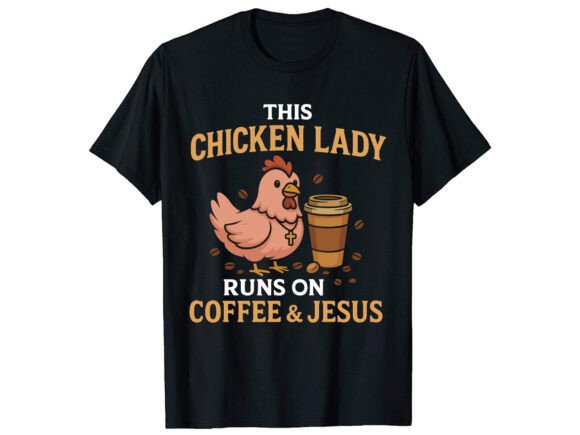
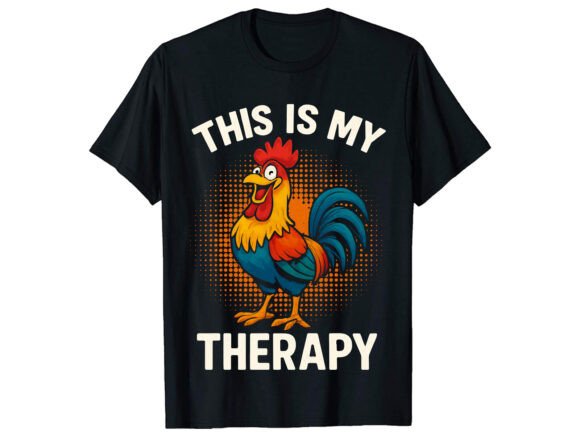
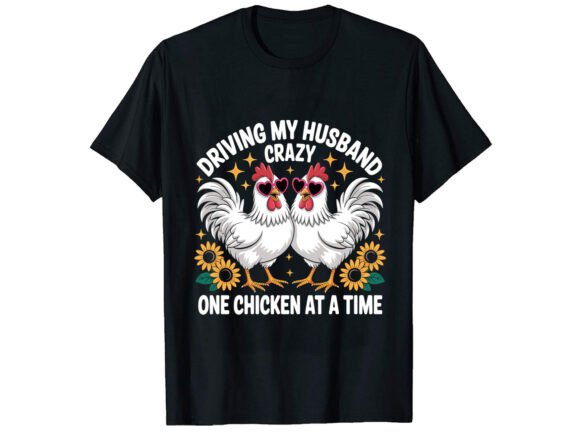
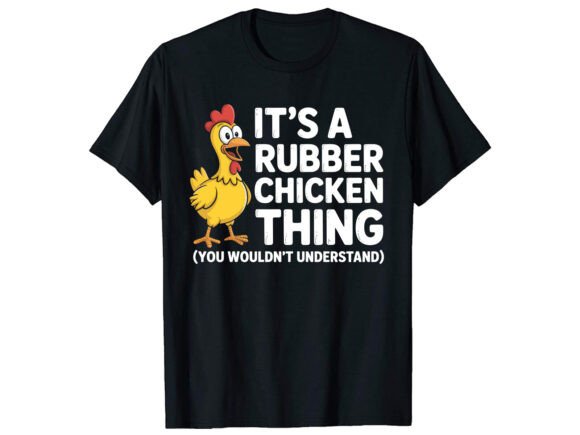
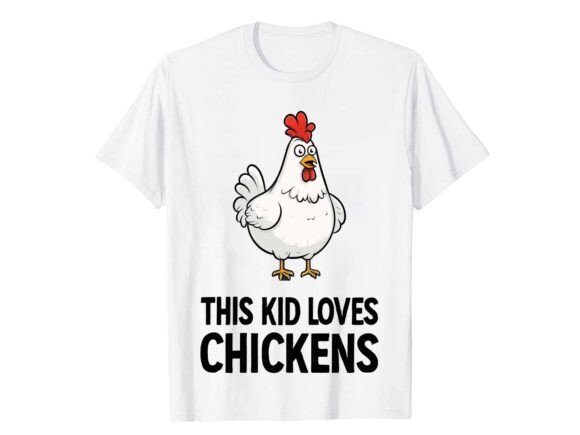
The first thing that strikes me about This Kid Chicken T-Shirt PNG SVG is its playful, unpretentious vibe. It doesn't try to be overly realistic or hyper-detailed, which is often a blessing in the embroidery world. The shape language is rounded and friendly, suggesting a mood that fits perfectly with nursery decor, baby showers, or casual spring collections. For an Etsy seller looking to expand their catalog, this kind of visual personality is gold because it appeals to a broad demographic without feeling dated.
However, as a reviewer, I have to look past the cute factor. The layout appears clean, with distinct separation between the elements. In a raster format like PNG, edges can sometimes look pixelated when zoomed in, but the underlying vector potential of the SVG suggests crisp lines. For embroidery, this implies that if you were to digitize this yourself or use an auto-digitizing service, the paths would likely be straightforward. There are no chaotic, overlapping shapes that usually cause thread breaks or excessive trimming. It feels like a design that wants to be stitched, even if it was originally marketed for print.
Real-World Application: From Screen to Stitch
To truly test the viability of This Kid Chicken T-Shirt PNG SVG, I imagined a specific scenario: a custom order for a local boutique needing a run of personalized tote bags for a farm-to-table market event. The client wanted something charming but durable. While the original description mentions t-shirts and mugs, I focused on how this graphic would perform as an embroidered patch or direct stitch on canvas.
In this context, the design shines. The simplicity of the chicken figure means it wouldn't require an excessive number of color changes, keeping production time low for a small shop product. If you are creating a sweatshirt embroidery piece, the bold shapes would stand out well against textured fleece. For baby embroidery, such as a onesie or a burp cloth, the lack of tiny, fragile details reduces the risk of the design unraveling after multiple washes. It is rare to find a Graphics file that translates so intuitively to custom apparel without needing a complete overhaul.
Furthermore, for those selling digital embroidery files, this source image serves as an excellent base. You could easily trace this SVG to create a satin stitch outline with a fill stitch body, ensuring high stitching clarity. The visual appeal here directly impacts customer trust; a clean, well-executed stitch job tells the buyer that care went into the finished product.
Navigating Fabric and Hoop Constraints
Every design has its limitations, and honesty is crucial for fellow crafters. While This Kid Chicken T-Shirt PNG SVG is versatile, there are scenarios where you need to proceed with caution. If you are working with stretchy fabric like jersey knit for a t-shirt, the density of your conversion matters. If the digitized version ends up with high stitch density, the fabric might pucker, distorting the chicken's friendly face. Always pair this with a high-quality cut-away stabilizer to maintain shape integrity.
Another consideration is the hoop size. If you plan to scale this down for a pocket logo on a cap or a small corner detail on a kitchen towel, ensure the smallest details don't get lost. Tiny running stitches can disappear into the weave of coarse linen or dark fabrics. Speaking of dark fabrics, remember that this design likely relies on specific thread colors to pop. On a black hoodie, you might need to add a white underlay or a backing patch to prevent the dark garment from muting the chicken's colors. Curved surfaces, like baseball caps, also require careful positioning; the center of the chicken should align with the highest point of the curve to avoid visual distortion.
Practical Notes for the Professional Maker
Before you commit to stitching this on a client's expensive garment, here are my professional recommendations based on reviewing similar assets:
- Test on Scrap First: Never skip the test stitch. Use the same fabric and stabilizer combination you plan to use for the final embroidery project.
- Check Contrast: View your digitized version in black and white mockups. If the details vanish in grayscale, your thread colors lack sufficient contrast.
- Verify Licensing: The product description mentions use for t-shirts, stickers, and mugs. However, always confirm if the license covers commercial embroidery sales. Some "personal use" graphics restrict selling the stitched outcome.
- Inspect Small Details: Look closely at the beak and feet areas. These are common trouble spots where threads can bunch up if the stitch direction isn't optimized.
- Fabric Texture Matters: This design works best on medium-weight cottons or poly-blends. Avoid very loose weaves unless you use a heavy topping stabilizer.
Final Verdict on Value and Usability
Ultimately, This Kid Chicken T-Shirt PNG SVG offers more than just a pretty picture for a printer. For the astute craft business owner, it represents a flexible foundation for a variety of personalized gift ideas. Whether it's a holiday embroidery project for Easter baskets or a year-round staple for a children's boutique, the design holds its own. Its strength lies in its adaptability; it doesn't scream for attention but rather invites interaction.
For apparel decorators and hobbyists alike, the key takeaway is preparation. The file itself is a strong starting point, but its success depends on your execution. By respecting the limitations of fabric texture and hoop capacity, you can elevate this simple graphic into a high-value item. In a market saturated with generic designs, finding a Graphics asset that feels genuine and stitches cleanly is a win. Just remember to do your due diligence on the technical specs before hooping up, and you'll have a winner on your hands.