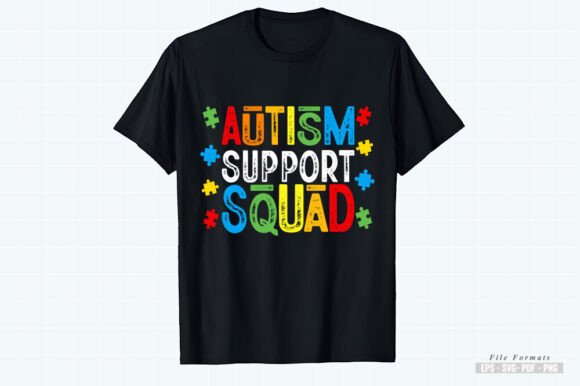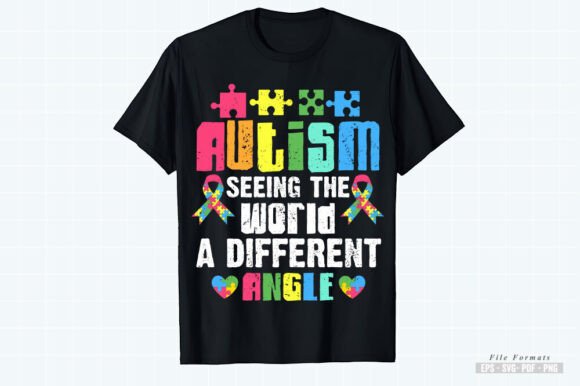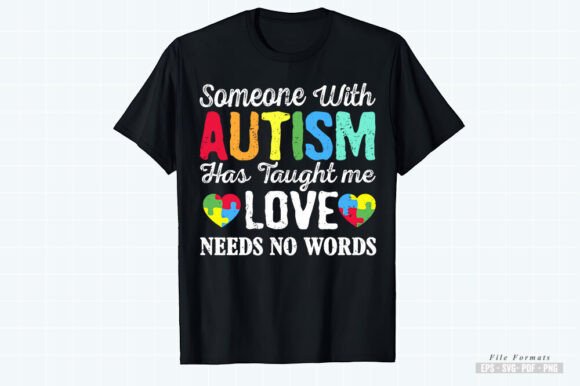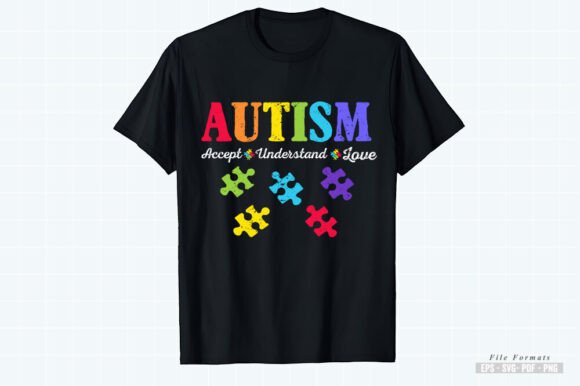
Autism Awareness Accept, Understand: A Designer's Review
As someone who spends more time at the hoop than away from it, I approach every new machine embroidery design with a mix of excitement and skepticism. We've all been there: you download a file that looks stunning on the screen, only to find out it's a nightmare of thread breaks or poor density once the needle hits the fabric. That is why I took a close look at the Autism Awareness Accept, Understand graphic before committing it to any client projects. This isn't just about whether it looks cute; it's about whether it holds up as a professional asset for a craft business or a heartfelt personalized gift.
The first thing that strikes me about this design is its mood. It carries a gentle, inclusive energy that feels appropriate for the message it conveys. The layout is clean, avoiding the clutter that often plagues awareness-themed graphics. For an Etsy seller or a boutique owner, visual clarity is everything. When a customer scrolls past dozens of listings, they need to instantly grasp the sentiment. This design achieves that balance between artistic expression and legibility. While the product description categorizes it under Print Templates and Graphics, my mind immediately went to how these lines would translate into thread. The shapes appear distinct enough to handle conversion into an embroidery file without losing their character.
Real-World Application: The Custom Tote Bag Test
To truly evaluate a design, you have to imagine it on a finished product. I visualized this specific graphic on a canvas tote bag design. Imagine a natural cotton tote, perhaps for a local support group walk or a school fundraiser. The "Accept, Understand" message works beautifully here because tote bags are high-visibility items. Unlike a small patch that might get lost in a crowd, a bag worn over the shoulder acts as a moving billboard for the cause.
In this scenario, the design's simplicity becomes its greatest strength. Complex gradients often fail in embroidery, but the bold nature of this graphic suggests it would render well using standard fill stitch and satin stitch techniques. If I were digitizing this myself or hiring a digitizer to convert this printable into a stitch file, I would aim for a moderate stitch density. Too dense, and the canvas might pucker; too light, and the backing shows through. For a small shop product like this, the perceived value relies heavily on the neatness of the backside as much as the front. A clean finish tells the buyer that this is a quality handmade product, not a mass-produced afterthought.
Versatility Across Apparel and Home Decor
Beyond tote bags, I see significant potential for this design in custom apparel. Think about a soft fleece sweatshirt embroidery project. The cozy texture of fleece pairs well with the comforting message of acceptance. However, working with stretchy fabrics requires caution. If you are adapting this graphic for a hoodie or a child's shirt, you must ensure your stabilizer game is strong. A cut-away stabilizer would likely be necessary to prevent the design from distorting after multiple washes.
I also considered its use in baby embroidery. Parents of neurodivergent children are always looking for subtle, meaningful ways to express pride and love. A onesie or a burp cloth featuring this motif could be a cherished item. Here, the scale matters immensely. Since the original asset is a printable graphic, you have the flexibility to resize it. However, if you shrink it too much for a tiny baby garment, the text "Accept, Understand" might become illegible. In embroidery, tiny lettering is a common failure point. My advice would be to keep the design large enough that the thread colors remain distinct and the words are readable from a conversational distance.
For home decor enthusiasts, this graphic could transition into a lovely pillow cover or a kitchen towel. These items often serve as holiday gifts or housewarming presents. The neutral yet impactful design fits well in modern nurseries or living spaces. It avoids being overly cartoonish, which gives it a broader appeal for adult recipients who want to show support without wearing something that feels like a costume.
Technical Considerations for Embroiderers
While the visual appeal is high, we must address the technical realities of turning a digital embroidery file concept into reality. Since this product is sold as a graphic and print template, it is crucial to remember that it is not a pre-digitized stitch file. You cannot simply load this into your machine and hit start. You will need to have it professionally digitized or do it yourself using embroidery software.
When planning this conversion, pay close attention to the corners and curves. Sharp angles in the artwork can lead to thread bunching if not handled with proper underlay stitches. If you are creating an applique design version of this, where the shapes are cut from fabric and stitched down, ensure the tack-down stitches are secure. Applique adds wonderful texture and reduces stitch count, which is great for textured fabrics like towels or thick sweatshirts.
Another critical factor is color contrast. The design's effectiveness depends on how well the thread colors pop against the background fabric. On dark garments, you might need to adjust the brightness of the threads or add a white underlay to prevent the fabric color from muting the design. Always test your color choices on scrap fabric first. What looks vibrant on your computer monitor might look muddy once stitched. I recommend stitching a sample on both light and dark backgrounds to see how the design behaves.
Building Trust and Brand Consistency
For creative entrepreneurs and commercial embroidery professionals, the choice of design directly impacts brand reputation. Using a well-composed graphic like Autism Awareness Accept, Understand signals that you care about the message you are selling. It shows respect for the community you are serving. Sloppy, pixelated, or poorly executed designs can erode customer trust quickly.
This particular design offers a level of professionalism that enhances brand consistency. Whether you are selling embroidered patches at a craft fair or offering custom caps online, having a cohesive library of high-quality assets is key. This graphic fits seamlessly into a collection focused on awareness, mental health, or community support. It allows you to create a range of products—from aprons to blankets—that feel like they belong to the same family.
Final Verdict and Practical Tips
In conclusion, Autism Awareness Accept, Understand is a versatile and emotionally resonant asset for any maker's toolkit. Its strength lies in its clear messaging and adaptable layout. However, its success in an embroidery project depends entirely on the execution.
Before you list this as a finished product in your store, keep these practical notes in mind:
- Check Licensing: Since this is a printable graphic, verify the license terms regarding commercial use. Ensure you are allowed to sell physical items made with this design.
- Digitize Carefully: Do not auto-digitize without review. Manually adjust stitch directions to follow the flow of the shapes for better coverage.
- Test Hoop Sizes: Ensure the design fits within your available hoop size options, especially if you plan to offer it on smaller items like caps or pockets.
- Fabric Selection: Avoid using this on extremely thin or slippery fabrics unless you have experience managing those materials with heavy fill areas.
- Mockups: Create realistic printable mockups showing the design on various fabrics to help customers visualize the final result.
Ultimately, this design has the potential to create meaningful connections. Whether it ends up on a holiday embroidery gift for a family member or a staple item in your small shop product line, treating it with the technical respect it deserves will ensure the final result honors the important message it carries.