Review: Autism Awareness Month Support Seeing Design
As a designer who spends more time at the hoop than away from it, I approach every new machine embroidery design with a critical eye. It is not just about whether the image looks cute on a screen; it is about how those lines translate into thread, how the fabric reacts, and whether the final piece holds up to the scrutiny of a paying customer or a loved one. Recently, I took a close look at the Autism Awareness Month Support Seeing graphic to evaluate its potential for real-world application. While the product listing categorizes this under Print Templates and Graphics, my job is to determine if it can successfully cross over into the realm of tangible, stitched goods.
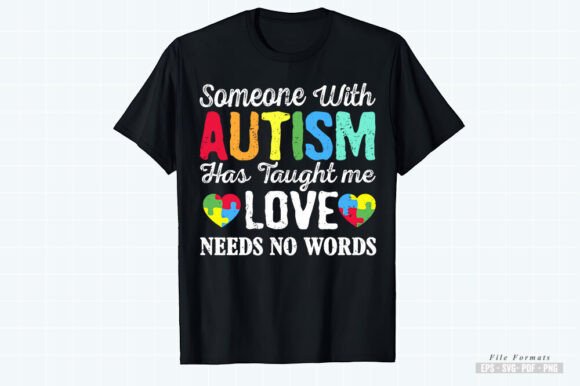
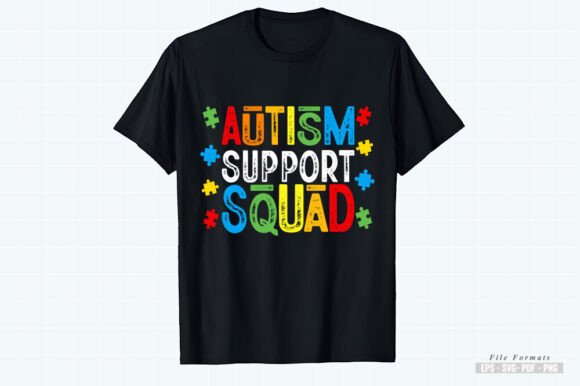
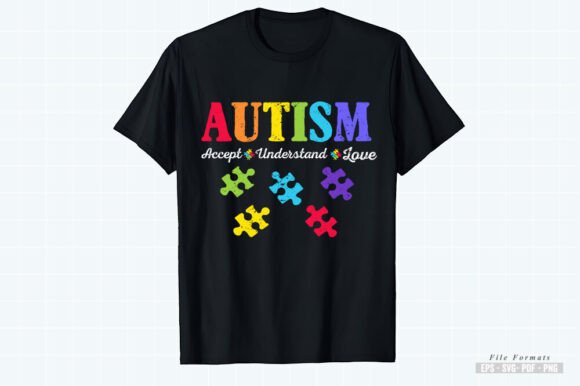
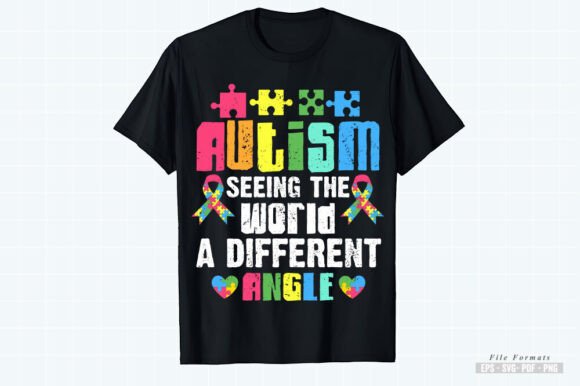
The first impression of Autism Awareness Month Support Seeing is one of gentle advocacy. The visual personality is soft yet declarative, carrying a mood that fits perfectly with the supportive nature of the cause. When evaluating a design for custom apparel or home decor, the layout is everything. This particular composition offers a balanced structure that suggests it would sit well on a variety of canvases. However, because this originates as a printable asset, the transition to an embroidery file requires careful consideration of line weight and detail resolution.
Visualizing the Stitch-Out Potential
Imagine you are preparing a custom order for a local boutique specializing in neurodiversity-affirming clothing. The client wants a subtle but meaningful statement on a high-quality cotton tote bag. This is where Autism Awareness Month Support Seeing shines conceptually. The theme is timely and evergreen, appealing to parents, educators, and allies alike. If digitized correctly, the shapes within the design could translate beautifully into a combination of satin stitch for bold outlines and fill stitch for broader areas, creating a textured finish that print simply cannot achieve.
For a handmade product like a baby onesie or a nursery pillow cover, the scale of the design becomes crucial. The "Support Seeing" message implies visibility and understanding, making it an excellent choice for items meant to spark conversation. In a real-life scenario, I would envision this working exceptionally well as an embroidered patch that can be ironed or sewn onto denim jackets or backpacks. This method allows the maker to test the design on scrap fabric before committing to a finished garment, ensuring that the stitch density does not overwhelm lightweight materials.
Navigating Fabric and Technical Challenges
Every experienced Etsy seller or craft business owner knows that the fabric choice can make or break a project. When adapting Autism Awareness Month Support Seeing for sweatshirt embroidery, the texture of the fleece or French terry adds a layer of complexity. A design that looks crisp on paper might sink into the pile of a heavy sweatshirt if the stitches are too fine. Conversely, on a smooth tea towel or apron, the same design might appear too dense if the digitizer does not account for the tight weave.
There are specific areas where caution is advised. If you plan to use this on dark fabric, you must ensure there is sufficient contrast in your thread colors. The original graphic may rely on specific color pairings that do not automatically translate to embroidery palettes. Furthermore, if the design includes small text or intricate corners, these are high-risk areas for puckering, especially on stretchy fabrics. Using the correct stabilizer is non-negotiable here. For a holiday embroidery gift or a personalized item intended for frequent washing, I would recommend a cut-away stabilizer to maintain the integrity of the shape over time.
Curved surfaces present another hurdle. Placing this design on a cap requires a different digitizing strategy than a flat tote bag. The curvature can distort the perspective of the "Seeing" element if the design is too wide or lacks proper pull compensation. Before offering this as part of your small shop product lineup, it is vital to run tests on the actual garments you intend to sell. Do not rely solely on digital mockups; the physical behavior of thread is unpredictable without trial runs.
Commercial Viability and Brand Consistency
For creative entrepreneurs looking to expand their catalog, the value of a design lies in its versatility. Autism Awareness Month Support Seeing has the potential to enhance brand consistency for shops focused on awareness and support. Whether used for commercial embroidery projects or limited edition runs, the design fosters trust and recognition among buyers who value authenticity. A well-executed stitch-out signals professionalism, whereas a poorly adapted print graphic can look amateurish and damage buyer engagement.
It is important to address the licensing aspect clearly. Since the source material is listed as a Print Template, you must verify the terms before selling finished items or digital embroidery files. Many graphic assets are licensed for personal use or print-on-demand only, and converting them into machine embroidery for resale may require an extended license. Always check the specific permissions regarding design assets to avoid legal pitfalls. If the license permits, this design could be a standout addition to your spring collection, particularly around April when awareness campaigns peak.
Practical Notes for the Maker
To get the best results from Autism Awareness Month Support Seeing, follow these practical steps before starting your production run:
- Test First: Always stitch the design on a scrap piece of the exact fabric you plan to use. This reveals issues with tension and density immediately.
- Check Contrast: View your thread chart in black and white to ensure the design elements remain distinct without relying on color alone.
- Verify Hoop Size: Confirm that the design fits within your available hoop size without needing excessive re-hooping, which can lead to misalignment.
- Inspect Details: Look closely at small corners and lettering. If they appear muddy in the test stitch, consider simplifying the digitizing or increasing the overall size.
- Stabilizer Selection: Match your stabilizer to the fabric weight. Heavy knits need strong support, while wovens might only need a light tear-away.
- Licensing Confirmation: Double-check that your intended use (personal vs. commercial) aligns with the product's license terms.
In conclusion, while Autism Awareness Month Support Seeing begins as a graphic intended for planners and cards, its heart belongs in the world of tactile creation. With thoughtful adaptation and respect for the mechanics of embroidery, it can become a powerful tool for expression. Whether you are creating a personalized gift for a family member or adding a meaningful item to your boutique inventory, the success of this project depends on your attention to detail. By treating the design with the care it deserves, you ensure that the final finished product honors the message of support and visibility it aims to convey.