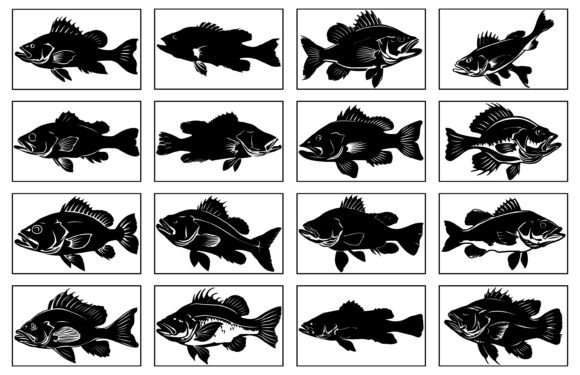
Carp Fish Silhouette: A Designer's Review for T-Shirts
As a designer who spends more time staring at stitch maps than most people care to admit, I approach every new machine embroidery design with a mix of optimism and skepticism. We have all been there: you download a file that looks crisp on the screen, only to find it turns into a bird's nest of thread once it hits the fabric. Recently, I got my hands on the Carp Fish Silhouette Vector for T-Shirt to evaluate its potential for real-world projects. This isn't just about whether the image looks cool; it is about whether it survives the rigors of the hoop, the needle, and the washing machine while maintaining the aesthetic integrity required for a professional handmade product.
First Impressions: Shape and Flow
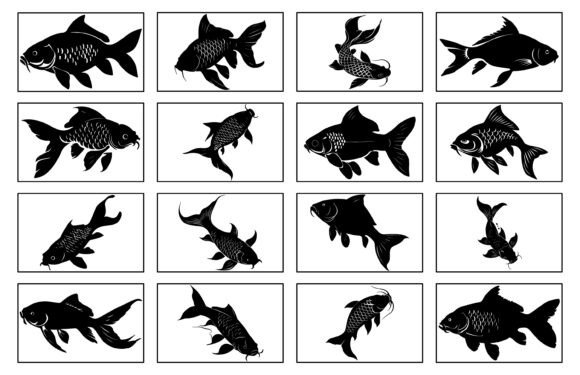
When I first opened the files included in the zip folder, my immediate thought was about the silhouette itself. The carp is a powerful symbol in many cultures, representing perseverance and strength, which makes it a fantastic motif for custom apparel. The design relies heavily on clean lines and a solid shape, which is exactly what you want when translating a digital graphic into thread. Unlike complex illustrations that rely on subtle gradients, a silhouette demands perfect edge definition. In this case, the vector source files (EPS, SVG, PDF) provide a rock-solid foundation. For us as Etsy sellers or boutique owners, having access to these scalable Illustrations means we can resize the artwork for anything from a tiny pocket logo to a large back panel without losing quality before we even convert it to an embroidery file.
The mood of the piece is calm yet dynamic. The curve of the fish suggests movement through water, which translates beautifully into satin stitches or dense fill stitches depending on how you digitize it or if you are using a pre-digitized version derived from these vectors. Visually, it feels grounded and organic, making it a versatile asset for various niches beyond just fishing enthusiasts. It fits equally well in a nursery setting as a baby embroidery project or on a rugged workwear apron.
Real-World Application: The Tote Bag Test
To truly test the viability of the Carp Fish Silhouette Vector for T-Shirt, I decided to simulate a project I often get requests for: a custom embroidered canvas tote bag. Canvas is a tricky beast; it has a loose weave that can swallow small details, and it requires significant stabilizer support. I imagined placing this carp design on the side of a natural-colored tote. Because the design is a silhouette, it offers high contrast, which is crucial for visibility on textured fabrics.
If I were stitching this for a client, I would likely opt for a dark navy or forest green thread to create a sophisticated, earthy look. The simplicity of the shape means there are no tiny, isolated islands of stitching that might pull away or fray after a few washes. This is a critical factor for commercial embroidery where durability equals customer trust. A finished product that holds up well leads to repeat business. Furthermore, because the design comes in multiple formats including PNG and JPG, creating printable mockups for my online shop listings was instantaneous. I could show customers exactly how the tote bag design would look before committing to the thread and fabric costs.
Navigating Fabric Challenges and Hoop Constraints
While the design is robust, there are scenarios where caution is necessary. If you plan to use this on stretchy fabrics like jersey knits for a sweatshirt embroidery project, the density of your stitch conversion matters immensely. A solid silhouette can become stiff if the stitch density is too high, causing the fabric to pucker or the garment to lose its drape. In these cases, I recommend testing on scrap fabric first. You might need to adjust the underlay or choose a lighter fill pattern if you are doing the digitizing yourself based on these Graphics.
Another consideration is the hoop size. While the vector files are infinitely scalable, your embroidery machine is not. If you are working with a small 4x4 hoop, you may need to scale the carp down significantly. When shrinking silhouettes, fine details like the fins or the tail edges can merge together. It is vital to inspect the design at 100% zoom on your screen and then do a physical test run. For curved surfaces like caps or hats, the geometry of the carp needs to be adjusted to account for the curvature; otherwise, the fish might look distorted once stitched. Always verify the dimensions against your specific machine's capabilities before promising a delivery date to a customer.
Enhancing Brand Value and Customer Appeal
In the world of craft business, presentation is everything. Using a well-proportioned silhouette like this carp elevates the perceived value of the item. It looks intentional and designed, rather than clip-art slapped onto a shirt. For small shop product lines, consistency is key. This design asset allows you to maintain a cohesive brand identity across different items. Imagine offering a matching set: a tea towel for the kitchen, a patch for a denim jacket, and a pillow cover for the living room, all featuring the same carp motif. This kind of cross-product branding builds recognition and encourages larger basket sizes from buyers.
The versatility of the file formats included—16 PNG, 16 EPS, 16 JPG, 16 SVG, and 16 PDF—means you are not limited to just embroidery. You can use the same artwork for heat transfer vinyl (HTV), screen printing, or laser engraving. This multi-use potential maximizes your return on investment for the design assets. However, always double-check the licensing terms provided in the zip file. Just because you have the files doesn't automatically grant unlimited commercial rights for every possible use case. Confirming these details protects your business from legal headaches down the road.
Practical Notes for the Studio
Before you start stitching, here are a few technical reminders based on my experience with similar silhouette projects:
- Stabilizer Selection: For dark fabrics, use a tear-away stabilizer to prevent bulk, but consider a cut-away for stretchy materials to ensure longevity.
- Thread Contrast: Test your thread colors against the fabric background. A black carp on a black shirt might look sleek in theory but disappear in person unless you use a slightly different sheen or texture.
- Density Check: If converting the vector yourself, keep an eye on the stitch count. High density looks good but increases production time and thread breakage risk.
- Mockup Testing: Always view your design in black and white first to ensure the shape reads clearly without relying on color cues.
- Wash Testing: Wash your sample piece at least three times to check for fraying edges or puckering before selling it as a personalized gift or retail item.
Ultimately, the Carp Fish Silhouette Vector for T-Shirt is a strong contender for any designer's library. It bridges the gap between artistic expression and practical manufacturability. Whether you are creating a holiday embroidery gift for a family member or stocking inventory for a busy season at a craft fair, this design offers the flexibility and visual impact needed to succeed. By respecting the material limitations and preparing your files correctly, you can turn this simple vector into a standout piece of wearable art.