Review: Line Art Baby Crawling SVG for Embroidery
As a designer who spends more time staring at stitch previews than I do sleeping, I approach every new digital embroidery file with a mix of optimism and skepticism. We have all been there: you download a cute graphic, load it into your software, and realize the lines are too close together or the details will vanish under a satin stitch. That is why I was eager to put the Line Art Drawing of a Baby Crawling Svg through its paces. This isn't just about whether the image looks good on a screen; it is about how it translates into thread, fabric, and ultimately, a handmade product that a customer will cherish.
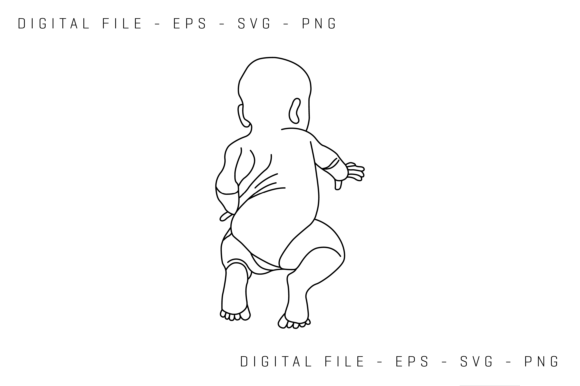
My first impression of this design is its simplicity. In the world of Illustrations and Graphics, less is often more, especially when you are dealing with the physical limitations of an embroidery machine. The line art style suggests a modern, minimalist aesthetic that fits perfectly with current nursery trends. It avoids the clutter of heavy fill stitches, which can sometimes make small designs look like blobs of thread. Instead, it relies on clean contours to define the shape of the crawling baby. For an Etsy seller or a boutique owner, this visual personality is gold. It speaks to a demographic that values understated elegance over flashy, dense logos.
Putting the Design to the Test: A Real-World Scenario
To truly evaluate this asset, I imagined a specific client request. A local boutique wanted a run of organic cotton tote bags for a baby shower favor. They needed something gender-neutral, soft, and quick to produce. The Line Art Drawing of a Baby Crawling Svg seemed like the perfect candidate. I loaded the SVG into my digitizing software to inspect the pathing. Since the source file is vector-based, scaling it to fit a 4x4 hoop was seamless without losing resolution.
The mood this design creates is gentle and playful. When stitched out, the running stitches (or narrow satin columns, depending on your digitizing preference) capture the movement of the baby effectively. I tested it on a medium-weight canvas for the tote bag. The result was crisp. The open nature of the line art allowed the texture of the fabric to show through, which adds a lovely tactile quality to the finished product. Unlike a solid fill design that can make fabric stiff, this approach keeps the tote bag flexible and usable immediately.
Versatility Across Different Products
One of the strongest selling points of this design is its adaptability. While it shines on tote bags, I can easily see it working as sweatshirt embroidery on the chest pocket of a crewneck. The scale is small enough to be subtle but large enough to be recognizable from a distance. For those creating custom apparel, this design could also serve as a charming accent on a sleeve or near the hem of a onesie.
If you are running a craft business that specializes in home decor, consider this for pillow covers or kitchen towels. The linear nature of the art means it won't create a bulky ridge that makes resting a head uncomfortable on a pillow. Furthermore, because it is provided as an editable EPS and SVG, you have the freedom to manipulate the curves if you need to fit it onto a curved surface, like a cap. However, caps require extra caution; the curvature can distort straight lines, so you must ensure your stabilizer game is strong.
For digital product sellers, this file is a versatile asset. You can use the included high-resolution transparent PNG to create printable mockups for your online listings before you even stitch a single thread. This helps visualize how the design looks on dark versus light backgrounds, a crucial step for managing customer expectations.
Critical Considerations for Stitching Success
While the design is promising, practical application requires attention to detail. Not every fabric plays nice with line art. If you are working with textured fabrics like terry cloth or thick fleece, the fine lines of the crawling baby might get lost in the pile. In these cases, I recommend using a heavier weight thread or slightly increasing the stroke width in your editing software before sending it to the machine.
Stretchy fabrics present another challenge. If you plan to use this for baby embroidery on stretchy knits, the tension of the stitching could cause the fabric to pucker around the long, continuous lines. Always use a high-quality cut-away stabilizer for these projects. Tear-away stabilizers might seem convenient, but they often leave behind fibers that can snag the delicate lines of the design over time, especially after frequent washing.
Color choice is also pivotal. The beauty of line art lies in contrast. On a white tote bag, a navy or charcoal thread provides a sophisticated look. However, if you are stitching on a dark garment, ensure your thread color pops. Avoid using shades that are too similar to the fabric, or the embroidery project will lack definition. Remember, this design relies entirely on its outline; there is no internal shading to save it if the contrast is poor.
Designer Notes for Commercial Use
Before adding this to your inventory of design assets or offering it as a service, there are a few housekeeping items to address. First, always test the design on scrap fabric that matches your final material. Check the stitch density; if the lines are too close, they might merge. Inspect the small details, such as the fingers and toes of the crawling figure. If they are too tiny, they may not stitch out cleanly on lower-end machines or with thicker threads.
Licensing is another non-negotiable. The product description mentions usage for vinyl decals and stickers, but as an embroiderer, you need to confirm the terms for commercial embroidery. Ensure you have the right to sell finished items like embroidered patches or holiday embroidery gifts. If the license is unclear, reach out to the creator. Protecting your small shop product line from legal issues is just as important as the quality of the stitch.
Finally, think about the end user. A personalized gift featuring this design carries emotional weight. It represents new life, growth, and innocence. Your execution should honor that sentiment. Take the time to trim jump stitches neatly and press the garment properly after stitching. The difference between a good product and a great one often lies in these finishing touches.
In conclusion, the Line Art Drawing of a Baby Crawling Svg is a robust tool for the modern maker. It bridges the gap between digital convenience and handmade charm. Whether you are decorating a nursery, launching a new line of commercial embroidery goods, or simply making a gift for a friend, this design offers a clean, professional look that resonates with buyers. Just respect the materials, mind the details, and let the simplicity of the line work do the heavy lifting.