Review: Simple Line Art Gift Box for Embroidery
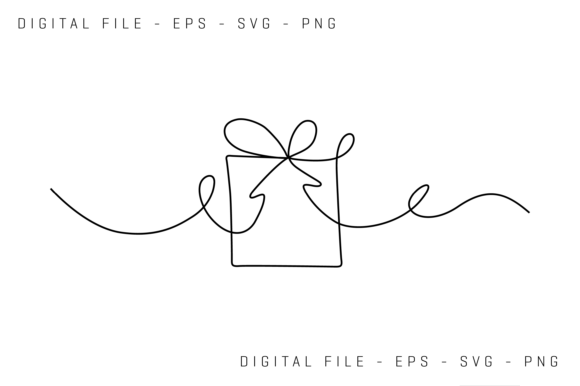
As a designer who spends more time staring at stitch simulations than most people care to admit, I am always on the hunt for graphics that translate well from screen to thread. When I first pulled up the Simple Line Art Drawing of a Gift Box, my initial reaction was one of cautious optimism. In the world of Illustrations and Graphics, minimalism is trendy, but in embroidery, it can be a trap. Thin lines often vanish into fabric textures, and overly simple shapes can look unfinished if the stitch execution isn't perfect. However, after mentally running this design through several real-world scenarios, I believe this asset holds significant potential for the right embroidery project.
The Aesthetic: Clean Lines and Modern Appeal
The mood this design creates is unmistakably modern and versatile. It lacks the clutter of vintage flourishes or heavy shading, relying instead on confident contours to define the shape of the gift box and its bow. For an Etsy seller or craft business owner targeting a contemporary audience, this visual personality is gold. It feels fresh without trying too hard. The layout is balanced, suggesting that the original artist understood how negative space works. When you are creating a handmade product, the eye needs somewhere to rest, and this design provides that breathing room. It is not just a picture of a box; it is a stylized representation that hints at celebration without screaming "holiday."
Real-World Application: From Tote Bags to Baby Gifts
Let's get practical. Where does this machine embroidery design actually shine? I immediately pictured this stitched onto a canvas tote bag design. Imagine a natural cotton tote with the box embroidered in a contrasting thread color—perhaps a deep forest green or a muted terracotta. The simplicity of the line art would complement the texture of the canvas beautifully, avoiding the stiffness that comes from large, dense fill areas.
Another strong contender is sweatshirt embroidery. Crewnecks and hoodies have become staples for small shops, and customers often want subtle branding or cute motifs rather than massive back pieces. Placing this gift box on the left chest area of a heather grey sweatshirt creates a polished, boutique look. It also works exceptionally well for baby embroidery. On a soft muslin onesie or a nursery pillow cover, the gentle lines feel appropriate for a newborn's delicate aesthetic. Unlike complex applique design options that might feel too bulky for infant wear, this linear approach remains soft and flexible against the skin.
For those looking to expand their holiday embroidery collection, this is a safe yet stylish choice. It avoids specific dates or years, meaning a finished product featuring this design won't feel outdated next December. It serves as a timeless symbol of giving, suitable for birthdays, weddings, or Christmas.
Technical Considerations for Stitching Success
Here is where my experience as a reviewer requires me to be honest. While the source file is listed as an editable EPS, SVG, and high-resolution PNG, we must remember that these are vector and raster formats intended for cutting or printing. To use this as a true digital embroidery file, you will likely need to digitize it yourself or verify if a converted version is included in your specific download package, as the description emphasizes vinyl and print uses. If you are digitizing this from the SVG, pay close attention to your stitch density.
Line art in embroidery usually translates best to a running stitch or a very narrow satin stitch. If you make the lines too thin, they may break or fail to cover the fabric weave, especially on textured materials like towels or wool blends. Conversely, if you make them too thick, you lose the "line art" charm and end up with a blocky shape. My advice is to test the design on scrap fabric first. Check how the thread colors interact with your base material. A black thread on white poplin looks crisp, but that same black thread on a navy blue fleece might disappear entirely.
You must also consider the hoop size. While this design is simple, ensure your hoop accommodates the full width of the bow without distorting the fabric edges. For curved surfaces like caps or hats, this design is viable but tricky. The flat nature of the box might warp if not centered perfectly on the front panel. Always use a proper stabilizer; for stretchy fabrics like t-shirts, a cut-away stabilizer is non-negotiable to prevent the lines from puckering over time.
Building Brand Value and Customer Trust
Why does a design choice matter for your small shop product? Because consistency builds trust. Using a cohesive set of design assets like this helps establish a recognizable brand identity. If your shop specializes in minimalist, eco-friendly goods, this gift box aligns perfectly with that ethos. It signals to the buyer that you care about aesthetics and detail. A clean, well-executed embroidery job on a personalized gift increases the perceived value of the item. Customers are willing to pay more for a product that looks professionally made rather than hastily thrown together.
Furthermore, this graphic is excellent for creating printable mockup files. Before you even stitch a single thread, you can place this SVG into your product photos to show customers what the final result could look like. This visual communication is crucial for online sales where the customer cannot touch the fabric. It helps manage expectations and reduces the likelihood of returns due to "item not as described."
Final Verdict and Designer Notes
The Simple Line Art Drawing of a Gift Box is a robust starting point for a variety of commercial embroidery ventures. It is not a magic bullet that works on every surface without thought, but with the right preparation, it is a high-performing asset. It excels in contexts where subtlety is preferred over flashiness.
Before launching this in your store, keep these practical steps in mind:
- Verify File Compatibility: Ensure you have the correct format for your workflow. The package includes EPS and SVG, which are great for editing, but confirm if you need to convert these to a specific machine format like PES or DST.
- Test Contrast: Always view your design in black and white mockups to ensure the lines stand out regardless of color choices.
- Check Licensing: Since this is a digital product potentially used for custom apparel or merchandise, double-check the license terms regarding commercial use. Can you sell unlimited finished items? Are there restrictions on reselling the digital file itself?
- Fabric Matters: Avoid using this on extremely loose-weave fabrics unless you use a heavy topping stabilizer, as the lines might sink in.
- Wash Testing: If you are selling embroidered patches or garments meant for frequent washing, run a wash test on your sample to ensure the threads do not fray or loosen.
In conclusion, this design offers a blend of flexibility and style that fits well within the current market trends. Whether you are decorating a kitchen towel, branding a tote, or creating a unique holiday gift, this line art provides a solid foundation. Treat it with the technical respect it deserves during the digitizing and stitching phases, and it will reward you with a professional, charming finished product that your customers will love.